Linnaeus University · Southern Sweden Est. 2024 · 2024 — 2028
A research programme on climate-resilient oak forests

The Oak Project

The future of forests in southern Sweden — oak ecosystems in a changing climate.
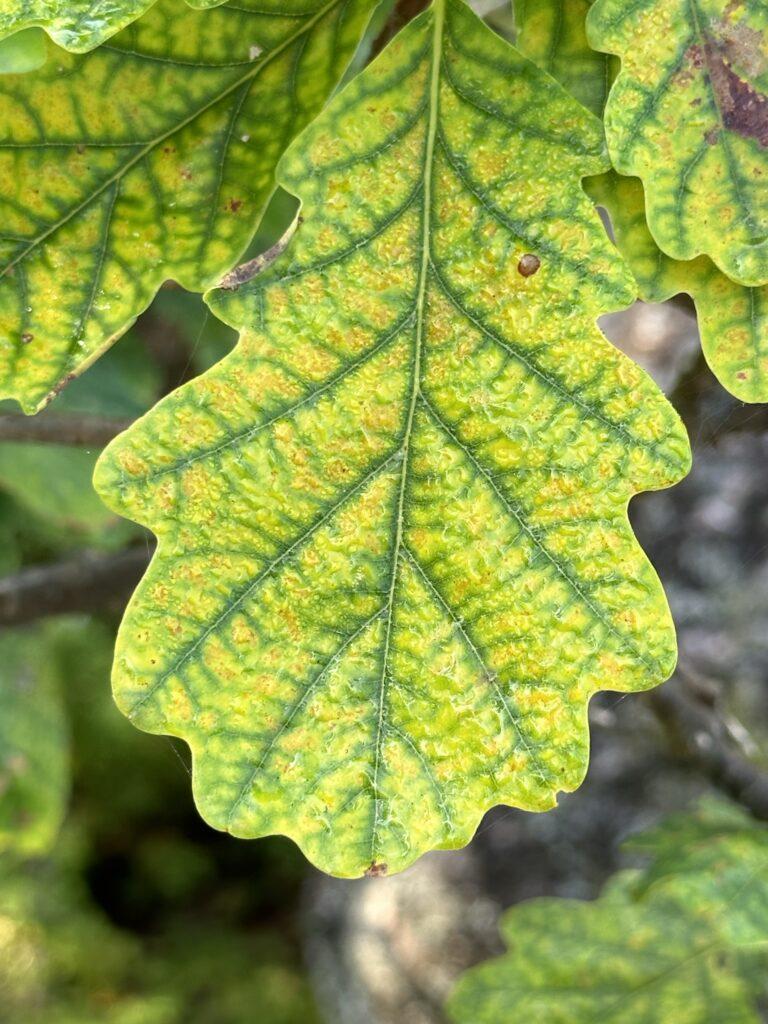
Bright green oak leaf with yellow spots and brown speckles, backlit by sunlight with blurred foliage behind
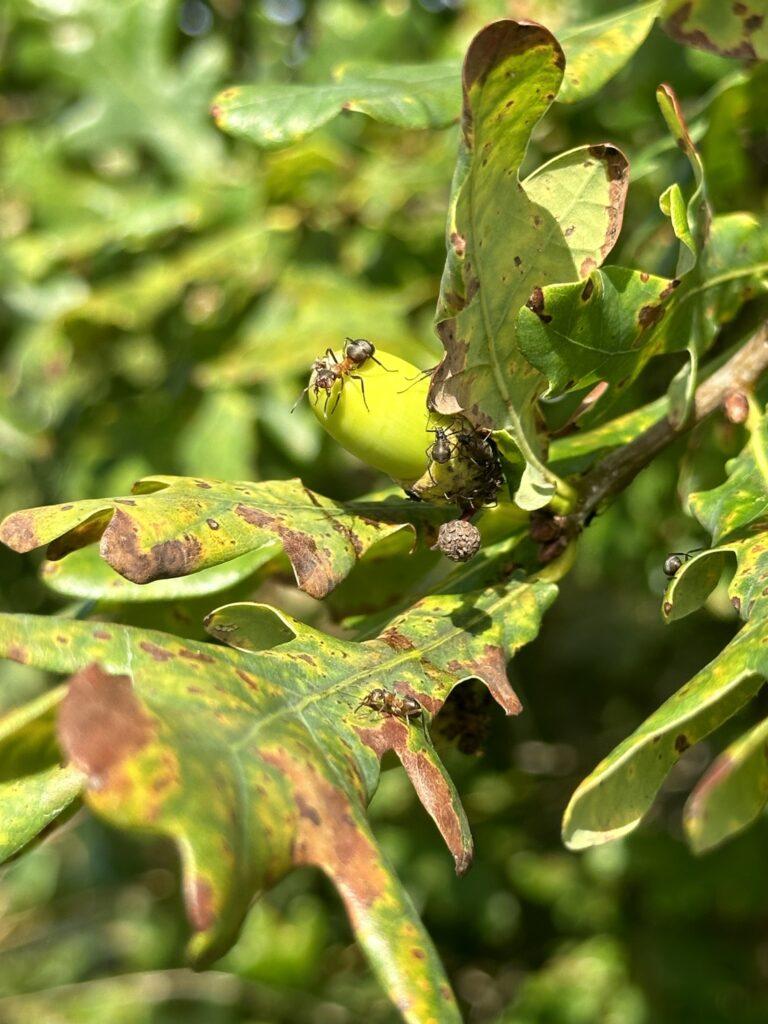
Ants crawling on green leaves with brown spots and curled edges in sunlight
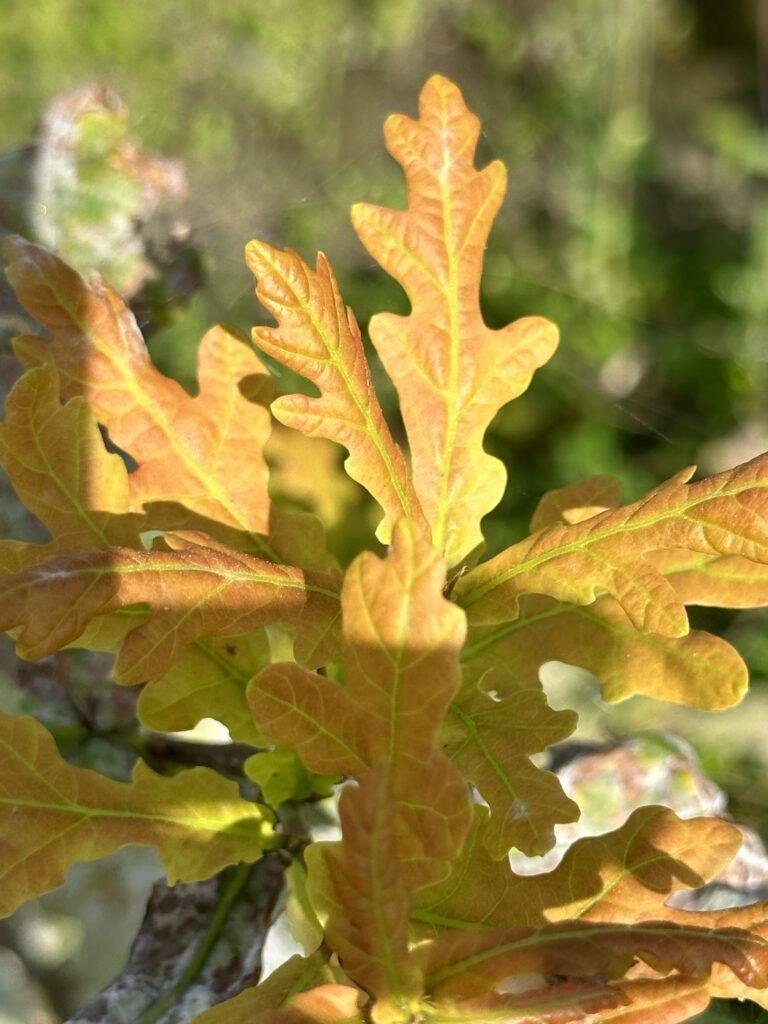
Deeply lobed yellow and orange oak leaves in sunlight with blurred green foliage in background

Welcome to The Oak Project

A research program exploring the future of forests in southern Sweden — and charting the course for climate-resilient oak ecosystems.

About the project

About the project

The Oak Project will explore the future of forests in southern Sweden and chart the course for climate-resilient oak ecosystems.

Sweden’s landscapes are predominantly forested, with oak forests integral in maintaining biodiversity and providing substantial ecological and economic benefits. Recent decades have brought significant environmental changes due to climate change, marked by rising temperatures, shifting precipitation patterns, and the increasing frequency of extreme weather events. These changes pose considerable challenges to forest ecosystems — particularly in southern Sweden, which now faces heightened threats from diseases and pest infestations that compromise forest health.

By employing advanced scientific techniques such as DNA sequencing and dendrochronology, we seek to analyse, predict, and mitigate the impacts of these environmental shifts on oak forests. Our ultimate objective is to develop sustainable forest management practices that preserve oak forests and assess their potential to replace less suitable species, like spruce, in southern Sweden’s changing forested landscape.

Courses at Linköping University

The science of biodiversity, from first look to fieldwork

Two courses at Linköping University — an accessible introduction to the species and habitats of Swedish nature, and an advanced, hands-on grounding in the field and mapping methods that conservation science depends on.

ETE405
7.5 credits · Bachelor's level
Spring 2026

Biodiversity in Swedish Nature

Distance Quarter-speed Taught in Swedish 90 places

An introduction and overview of the biodiversity of Swedish nature — the species that make up our ecosystems and the greatest threats they face today.

In this course
Species and habitats across Swedish ecosystems
The main threats to biodiversity — and why they matter
How biodiversity is surveyed, documented and conserved
Web-based study with recorded lectures and a field excursion in Linköping
Learn more
liu.se · course ETE405
NBID87
15 credits · Master's level
Autumn 2026

Conservation Biology Methods: Field Techniques & Mapping

Campus Valla, Linköping Taught in English Open to exchange students

A hands-on grounding in the scientific methods of conservation biology — plan, collect, analyse and report ecological data, then evaluate conservation strategies in the field.

Five integrated modules
Survey methodology for conservation
Data collection & management
Spatial data, GIS & remote sensing
Restoration ecology
An applied conservation case study
Learn more
Part of the MSc in Ecology & Sustainable Development
Examiner Both courses are examined by Markus Franzén — Department of Physics, Chemistry and Biology, Linköping University.

A collaboration of