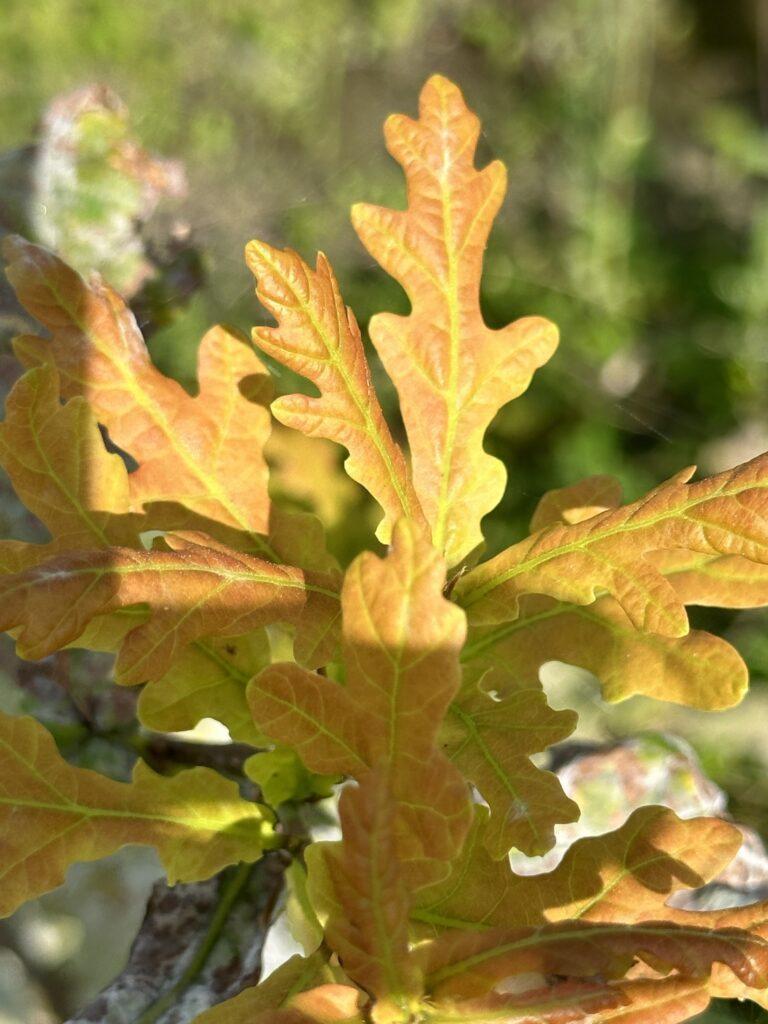
Old oak trees are among the most valuable organisms in European landscapes, providing habitat for thousands of species and storing large amounts of carbon. A new century-long study of two Scandinavian oak populations shows that while many of these giants continue to survive, their individual growth rates are slowing despite longer growing seasons.
Researchers tracked 700 oaks across two historical deer parks — Dyrehaven in Denmark and Djurgården in Sweden — over nearly 100 years. Tree diameters and survival were recorded at three different time points, covering two consecutive 50-year periods with changing climate conditions.
Key findings
Low but differing mortality: In Dyrehaven, annual oak mortality was only 0.39%, while in Djurgården it was higher at 0.99%.
No increase in mortality over time: Mortality rates remained stable across both 50-year study periods, despite warmer temperatures and altered rainfall.
Slower growth despite longer growing seasons: Growing seasons lengthened by 9 days in Stockholm and 15 days in Falsterbo, yet oaks showed higher growth rates in the earlier period than in the later one.
Carbon storage continues: Even with slower growth, the overall standing biomass of large oaks in open parkland continued to rise, underscoring their role as long-term carbon sinks.
Outlook
The findings emphasize both the resilience and vulnerability of ancient oaks. While they remain critical for biodiversity and carbon storage, ensuring their future presence will depend on planting new generations of oaks, forward-looking management, and adaptive conservation strategies.
Milberg, P.; Christensen, K.; Franzén, M.; Johansson, V. (2025). Mortality and growth rates in two populations of ancient oaks over
a century. Forest Ecology and Management, Volume 597. https://doi.org/10.1016/j.foreco.2025.123117